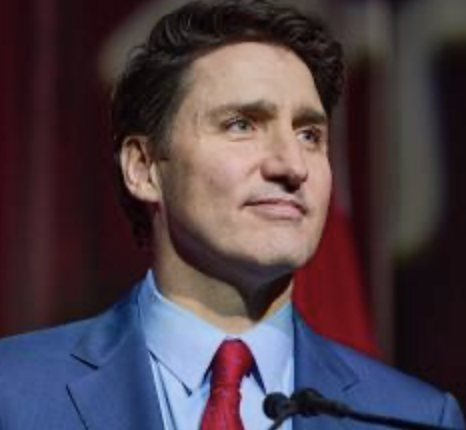
Prime Minister Trudeau
Immediate and Forceful Response: On January 31, 2025, Trudeau stated, "Canada will respond immediately and forcefully if the United States goes ahead with a threat to impose tariffs."
Retaliatory Tariffs: Trudeau announced that Canada would impose 25% tariffs on $20.6 billion worth of American exports immediately after U.S. tariffs take effect, with additional tariffs on $86 billion worth of goods in the following three weeks.
Call for Canadian Support: He urged Canadians to "choose Canadian products and services rather than American ones" wherever possible, emphasizing the potential impact on American consumers and industries.
Violation of Trade Agreements: Trudeau accused Trump's tariffs of violating the USMCA, stating that such actions endanger both Canadian and American jobs.
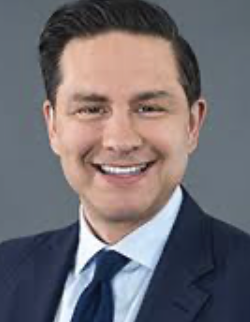
Pierre Poilievre, conservative leader
In a rally in Ottawa, Poilievre declared, "Canada will never be the 51st state," emphasizing Canada's sovereignty and his commitment to defending national interests.
Poilievre outlined a multifaceted strategy to counteract the tariffs:
Retaliatory Measures: He stated, "Retaliation is only the beginning," indicating plans to impose reciprocal tariffs on U.S. goods to protect Canadian industries.
Interprovincial Trade Enhancement: Highlighting internal trade barriers, Poilievre noted, "Tariff barriers among provinces are as high as Trump's 25% tariff threat." He proposed rewarding provinces that reduce these barriers to strengthen domestic trade.
Economic Diversification: To reduce reliance on the U.S. market, Poilievre emphasized the need to "diversify our energy and trade partnerships," aiming to open new markets for Canadian products.
Jagmeet Singh, NDP leader
In a statement, Singh described the tariffs as an "unprecedented trade war on our country," emphasizing the urgency of government intervention to support affected workers and protect jobs. He called for immediate financial assistance and a commitment to prioritize Canadian-made products, stating, "We can’t let working Canadians pay the price."
Singh also advocated for decisive retaliatory measures, including "dollar-for-dollar retaliatory tariffs" and halting the supply of critical minerals to the United States. He urged for Parliament to be recalled promptly to address the crisis collectively, asserting, "We will not let Donald Trump – or anyone – threaten our values and our sovereignty."
In response to comments from Elon Musk regarding Canada, Singh proposed targeted tariffs, suggesting a 100% tariff on Tesla vehicles entering Canada. He emphasized Canada's readiness to defend its interests, stating, "If Donald Trump wants to bring this fight, know that we are ready."
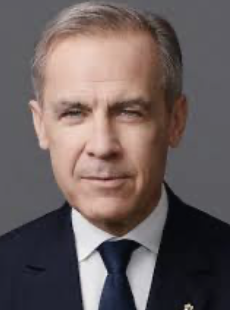
Mark Carney, Liberal candidate
In an interview with BBC's Newsnight, Carney stated, "President Trump probably thinks Canada will cave in. But we are going to stand up to a bully; we're not going to back down. We're united and we will retaliate."
Carney described the tariffs as "entirely unjustified" and emphasized Canada's readiness to respond: "We have many, many other options that we don't want to deploy but we will if we have to."
During a televised debate on February 24, 2025, Carney highlighted his crisis management experience, referencing his leadership roles during the 2008-2009 financial crisis and Brexit. He asserted his capability to navigate the current trade tensions effectively.
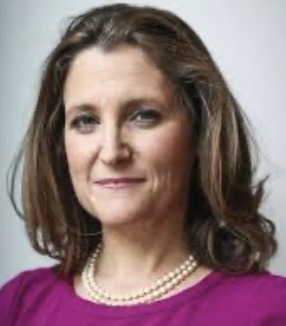
CHRYSTIA FREELAND, Liberal candidate
In a recent televised debate, Freeland emphasized the severity of Trump's threats, stating they are "more severe this time, potentially causing significant economic harm."
Freeland has also advocated for aggressive retaliatory measures to counteract the tariffs. She proposed a "Buy Canada" plan and the release of a $200 billion tariff retaliation strategy targeting U.S. businesses, aiming to protect Canadian industries and workers.
In an opinion piece for The Economist, Freeland expressed deep concern over the broader implications of Trump's actions, stating, "Donald Trump poses a grave threat to others' sovereignty and freedom."